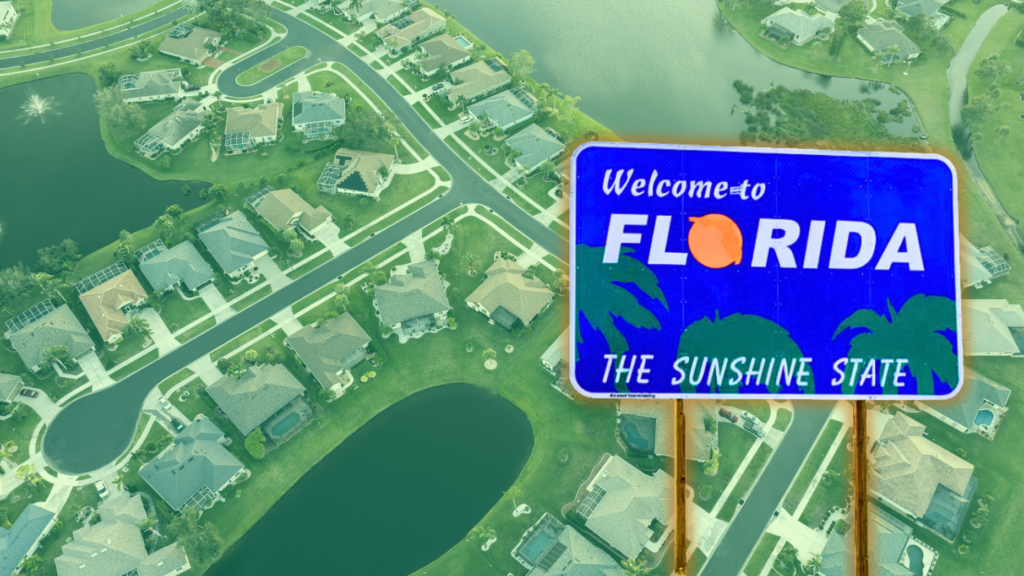

Florida is making it harder for local governments to block new housing development.
On March 27, Florida Gov. Ron DeSantis signed into law a new measure that limits how local officials can regulate development and could reshape the approval process for new construction across the state.
The new law, HB 399, requires permit fees to be tied to actual administrative costs rather than construction value, and restricts local governments from rejecting residential projects based on subjective criteria. Local officials must now identify specific compatibility issues before turning down proposals — appeals to neighborhood character alone won’t be enough to kill a proposal if a developer has proposed reasonable mitigation measures.
The measure also expands where manufactured and off-site constructed homes can be built, requiring them to be permitted in any area zoned for single-family housing. Factory-built homes have historically been among the most affordable and fastest to deploy — and in a state still contending with post-storm rebuilding backlogs and a battered home insurance market, that flexibility could prove significant.
Another provision allows certain large destination resorts to secure administrative approval for some project changes, effectively bypassing parts of the traditional local review process. That provision is set to expire in 2031. Several other key provisions don’t take effect until January 2027.
More broadly, the bill drew opposition from some local officials and lawmakers who raised concerns about local control and environmental protections.
The changes are part of a national push to loosen zoning restrictions and speed up permitting. Recent research from the Center for Public Enterprise puts the U.S. housing shortfall at roughly five million homes, estimating the country would need to nearly double its annual rate of multifamily construction — from around 350,000 units to 500,000 — and hold that pace for a decade to close the gap.
According to Federal Reserve data, Florida’s active listing count stood at 162,486 in March 2026 — above pre-pandemic norms after a sharp recovery from a historic low of around 33,000 in early 2022. But active listings reflect what’s on the market now, not what gets built over the next decade, and it’s the longer-term construction pipeline that laws like HB 399 are designed to address.
If the law survives expected legal challenges, the pipeline for new construction in Florida could get meaningfully less complicated — particularly in markets where permitting delays have historically kept inventory tight, and where a steadier flow of new listings would have the most impact.


