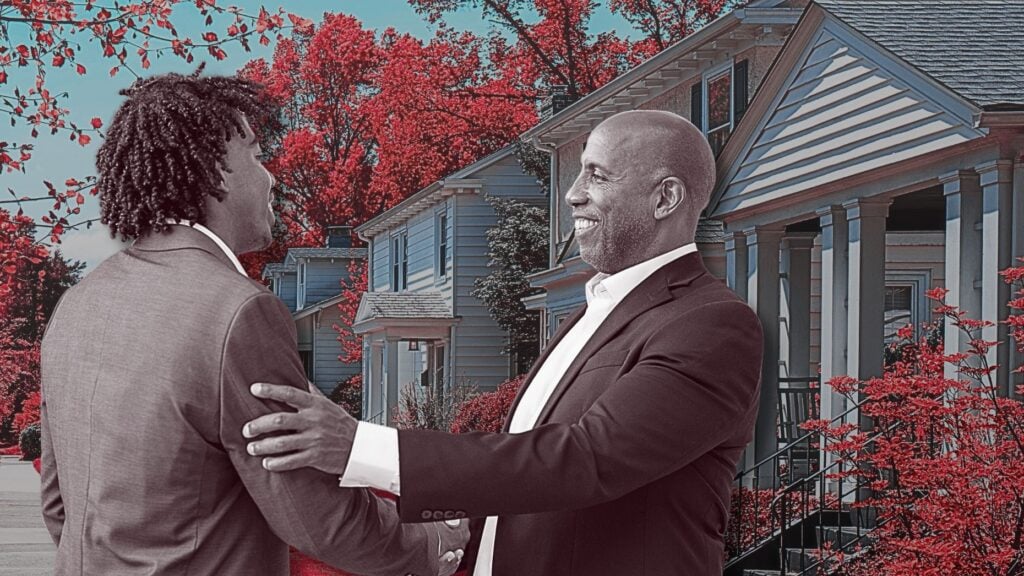

I didn’t have a formal mentor when I got started in real estate. Instead, I had a mix of well-meaning advice, loud opinions and a lot of “this is how I did it, so you should too” type of feedback. Some of it helped, of course, but a lot of it was more or less useless.
TAKE THE INMAN INTEL INDEX SURVEY
That early experience was paramount in shaping one of my strongest beliefs: That mentorship isn’t optional. That’s especially true for new agents. But the wrong mentorship can be more damaging than none at all. If you’re early in your career, you don’t need inspiration. You need a guide and a guardrail.
A guide shows you where to go, and a guardrail keeps you from driving off a cliff. That’s why they’re both so critical.
Why new agents are especially vulnerable
New agents are like sponges. As a new agent, you are learning the ins and outs of contracts, pricing, negotiation, client psychology and even marketing, all at once. Without pattern recognition, everything sounds credible. Confidence can be mistaken for competence, and volume can be mistaken for mastery.
I have seen new agents underprice listings because “another agent said price cuts are strategic,” or overspend on leads before understanding conversion, and take partnership advice from people whose businesses quietly plateaued years ago. Most of that advice wasn’t malicious, necessarily, but it was misaligned, outdated or coming from someone solving a very different problem. In that sense, it wasn’t helpful.
What real mentorship should look like
A real mentor doesn’t just tell you what to do, they help you understand why you are doing it and when you should rethink your approach. The strongest mentors I have seen do three things well:
- They shorten your learning curve by stepping in before the mistake.
- They give context instead of absolutes.
- They are mindful of their mentee’s confidence while still telling the truth.
That last point is incredibly important, too, because it’s relatively easy to shatter a young agent’s confidence. A mentor needs to keep that top of mind and be sure to handle their mentee with a careful approach.
How to choose the right mentor, and avoid the wrong one
Not everyone with a title — such as “president,” “executive” or something similar — should be mentoring you. In fact, there are a lot of people you should probably avoid when looking for guidance. With that in mind, ask yourself these questions before taking advice from someone:
- Does their business and career look like the one I actually want or want to emulate?
- Do they explain their thinking, or just give directives and bark orders?
- Do they benefit from keeping me dependent on them?
Here is a hard-earned truth: Some of the most seemingly confident advice comes from people who haven’t fully evolved. Real estate changes. Markets change. What worked five years ago can hurt you today. The strategies and tactics that helped people in their careers a decade ago simply may not work today.
Accordingly, I always encourage agents to ask a simple question: In what market does this advice work? If the answer is vague, then caution could be warranted.
The unexpected lesson I learned in 2025
One of the most important mentorship lessons I’ve recently learned didn’t stem from great guidance. But instead, observation.
In 2025, I learned that sometimes the biggest value a mentor provides is showing you what not to do. How people handle pressure, money, power, clients and conflict tells you everything. Not every successful person is someone you’ll want to become or try to emulate, and realizing that early on can save you a lot of time and pain when or if you realize you’ve been chasing the wrong thing.
That awareness can become its own guardrail. Watching certain behaviors clarified my own standards and reinforced the kind of leader and person I do not want to be. Those lessons are not always intentional, but if you are paying attention, they are formative.
Build a success circle, not a single hero
You do not need one perfect mentor. You need a small success circle: Someone operationally sharp, someone strong in sales and negotiation, and someone who understands long-term positioning and brand.
Borrow intelligently. Observe carefully. Develop judgment early. Mentorship is not about imitation. It is about discernment.
If you are new to real estate, you don’t need to know everything, nor are you expected to. But you do need people who will step in, slow you down when needed and help you see around corners or anticipate next moves.
And if you are seasoned or have worked in the industry for a while, remember this: Mentorship is not about creating replicas. It is about helping someone build their version of success faster, smarter and with fewer scars. That is how careers last, and that is how this industry improves over time.


