
With hurricane season in full swing, the cost of climate risks may be on American homeowners’ minds now more than ever.
Today, 26.1 percent of U.S. homes, which represent $12.7 trillion in property value, are vulnerable to at least one type of severe or extreme climate risk, according to Realtor.com’s 2025 Housing and Climate Risk Report.
Those risks include flooding, wildfire and hurricane winds, and can wreak financial and emotional havoc on a homeowner.
“Climate risks are no longer a distant threat for U.S. housing — they are a present reality that put a large chunk of U.S. real estate value at risk,” Danielle Hale, chief economist at Realtor.com, said in a statement.
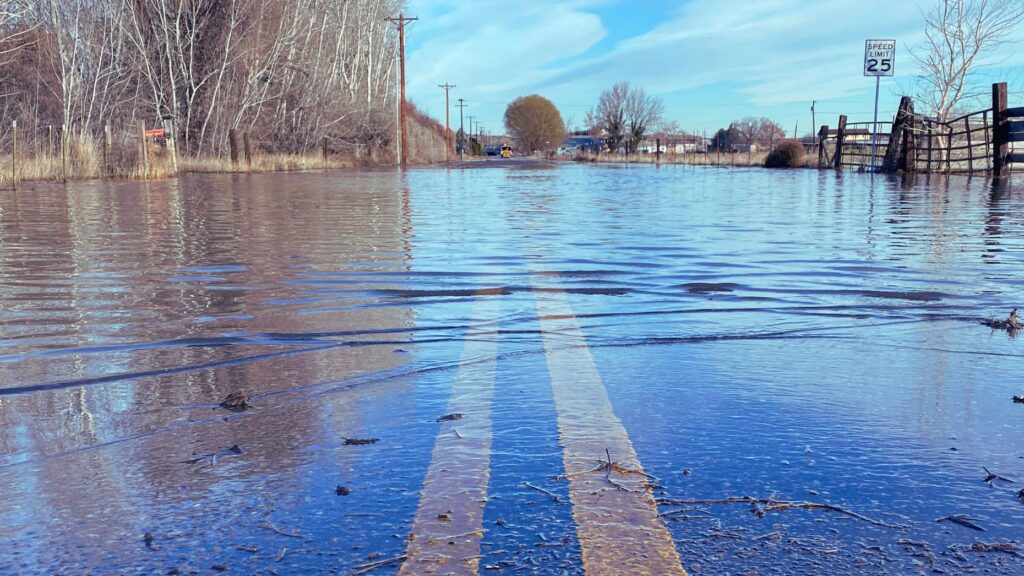
One of the most underestimated risks to homeowners in the U.S. is flooding, Realtor.com’s report noted, because of the way FEMA flood maps are currently drawn. Roughly two million homes, or $1 trillion of real estate, are at risk of flooding, but are not located within FEMA Special Flood Hazard Areas.
Furthermore, the low adoption rate of government-backed insurance through the National Flood Insurance Program suggests that homeowners tend to disregard flood risk even in high-risk FEMA zones, Realtor.com said.
The climate risk that poses the greatest potential damage in terms of property values is hurricane-force winds, according to Realtor.com’s report. Roughly 18.3 percent of homes in the U.S., representing about $8 trillion, face severe or extreme risk of hurricane wind damage this year.
Hurricane insurance coverage is also extremely expensive for homeowners, Realtor.com noted. With a typical HO-3 policy (which covers a property, personal belongings and liability) that covers a $400,000 home, a 5 percent hurricane deductible requires homeowners to pay $20,000 out of pocket before their coverage kicks in.
When it comes to wildfire risk, only about 5.6 percent of homes in the U.S. representing $3.2 trillion in property values are at severe or extreme risk — but almost 39 percent of those homes are located in California, Realtor.com reported. In June of this year, the California FAIR Plan (the state’s basic fire insurance plan) reported that it had expanded coverage 42 percent since September 2024 and 289 percent since 2021 because of a growing number of wildfires in the state paired with many insurers leaving the state to $650 billion in total exposure.
Many markets in Southern states face some of the highest homeowners insurance premium-to-market value ratios for single-family homes because of the elevated climate risks they incur. Top among them is Miami, Florida, where the median premium-to-market value ratio is 3.7 percent. In the Southern Florida enclave, the median market value of homes is $614,000 and the estimated insurance premium for the typical home is $22,718.
Second on the list of top 10 metro areas with the highest homeowners insurance premium-to-market value ratio is New Orleans, Louisiana, where the median premium-to-market value ratio is 3.6 percent. Homes in New Orleans have a median market value of $231,328, and the estimated insurance premium for a typical home is $8,328.

Courtesy of Realtor.com
Realtor.com’s report was compiled with data from digital insurance agency Insurify, property data from Realtor.com and climate risk data from First Street. The full report can be viewed on Realtor.com.


